Understanding Light Sensitivity and Glare in Cataracts and Vision Changes
Many people notice changes in how their eyes respond to light as they age. Bright environments may feel uncomfortable, and everyday situations like driving at night can become more difficult. These experiences are often linked to how the eye processes light, especially when conditions such as cataracts begin to develop.
Light sensitivity and glare are among the most common visual disturbances reported by individuals with cataracts. Understanding why these symptoms occur and how they affect vision can help people recognize early signs and seek appropriate care.
How the Eye Handles Light Under Normal Conditions
The eye is designed to manage light efficiently. The cornea and lens work together to focus light onto the retina, allowing for clear and detailed vision. When these structures are healthy, light is directed in a precise way, creating sharp images.
The lens also adjusts to different lighting conditions, helping the eye adapt to bright or dim environments. This balance allows for comfortable vision throughout the day.
When the lens becomes cloudy, however, this process changes significantly.
Why Cataracts Cause Light Sensitivity and Glare
Cataracts develop when proteins in the lens begin to break down and form cloudy areas. This cloudiness disrupts how light passes through the eye. Instead of being focused directly onto the retina, light is scattered in multiple directions.
This scattering creates visual effects such as glare and increased sensitivity to brightness. Even normal lighting conditions can feel overwhelming, and bright light sources may appear harsh or difficult to tolerate.
For a deeper understanding of how these symptoms relate to cataracts, this explanation of light sensitivity glare provides helpful insight into how vision is affected during different stages of the condition.
The Impact on Night Vision
Light sensitivity often becomes more noticeable at night. In low-light conditions, the pupil expands to allow more light into the eye. This increases the amount of scattered light, making glare from headlights or streetlights more intense.
As a result, activities such as nighttime driving can become challenging. Some individuals may begin to avoid these situations due to discomfort or reduced confidence.
This change is often one of the early signs that the lens is no longer functioning as it should.
Other Factors That Can Contribute to Glare
While cataracts are a common cause, other factors can also lead to light sensitivity and glare. Dry eye, for example, affects the tear film on the surface of the eye, which can disrupt how light is refracted.
Refractive errors such as astigmatism can also create similar visual disturbances. In some cases, these symptoms may appear after certain eye procedures as the eye adjusts.
An eye examination is essential for identifying the exact cause and determining the appropriate course of action.
How These Symptoms Affect Daily Life
Light sensitivity and glare can influence many aspects of daily life. Tasks such as reading, using digital devices, or spending time outdoors may require more effort. Bright environments can feel uncomfortable, leading to eye strain or fatigue.
Over time, these challenges may affect confidence and independence. Recognizing how these symptoms impact daily routines helps individuals decide when to seek professional advice.
Addressing these changes early can improve comfort and overall quality of life.
The Importance of Professional Eye Care
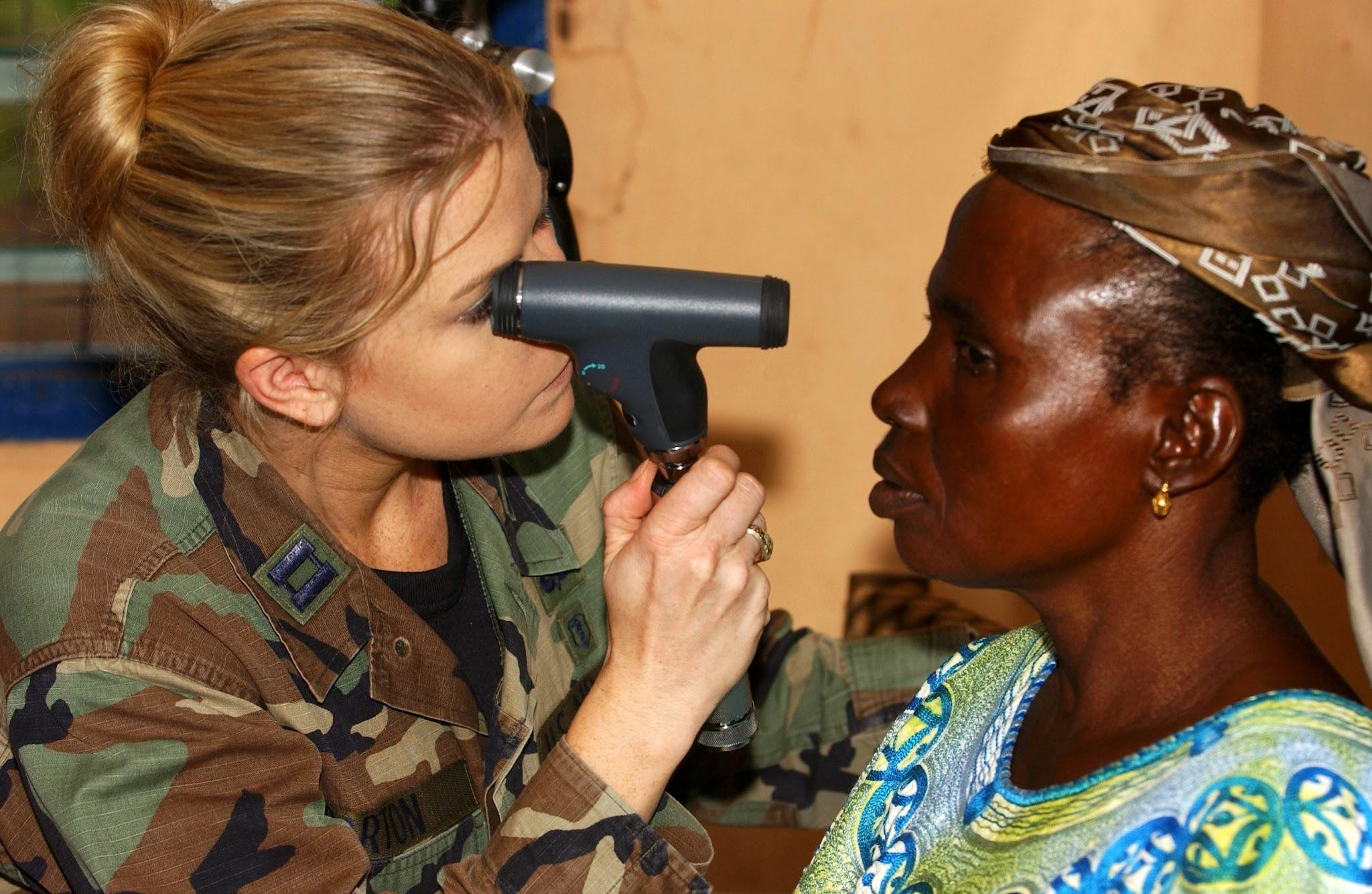
Regular eye examinations play a key role in managing vision changes. Eye care professionals can assess the health of the lens and determine whether cataracts or another condition is causing symptoms.
Choosing the right provider is also important for long-term eye health. This guide on selecting an eye care professional highlights how proper guidance can support ongoing vision care.
Early evaluation helps ensure that appropriate steps are taken at the right time.
Managing Symptoms Before Treatment
In the early stages, simple adjustments can help reduce discomfort caused by glare and light sensitivity. Wearing sunglasses outdoors can limit exposure to bright light, while anti-reflective coatings on glasses can improve clarity.
Adjusting lighting at home and avoiding direct exposure to harsh light sources can also make daily activities more comfortable. These measures do not treat cataracts but can help manage symptoms effectively.
Monitoring how symptoms change over time helps determine when further treatment may be needed.
When Cataract Surgery Is Considered
If cataracts are the underlying cause and symptoms begin to interfere with daily life, surgery may be recommended. This procedure replaces the cloudy lens with a clear artificial one, restoring the eye’s ability to focus light properly.
Many people experience a reduction in glare and improved comfort after surgery. Vision often becomes clearer, and sensitivity to light decreases as the eye heals.
Discussing options with an eye care professional helps determine the right timing for treatment.
A Broader View of Vision Care Access
Access to eye care plays an important role in managing conditions like cataracts. Regular screenings and timely treatment can prevent vision problems from becoming more severe.
Efforts to improve access to eye care services are helping more people maintain healthy vision. This article from Forbes explores how vision care initiatives are expanding access to eye health services worldwide.
Awareness and accessibility together support better outcomes for individuals and communities.
Conclusion
Light sensitivity and glare are common signs that the eye’s ability to process light may be changing. Cataracts are a frequent cause, but other factors can also contribute to these symptoms.
Understanding how and why these changes occur helps individuals take proactive steps toward maintaining clear and comfortable vision. With regular eye care and timely treatment, it is possible to manage these symptoms and support long-term eye health.