

Pulled Trapezius Treatment: A Complete, Evidence-Based Guide
Neck and upper-back pain are among the most common musculoskeletal complaints, and one frequent cause is strain of the trapezius muscle. Pulled trapezius treatment requires a structured, step-by-step approach that addresses pain, restores mobility, and prevents recurrence. Understanding how this muscle functions and how injuries develop is essential for effective recovery.
The trapezius is a large, triangular muscle extending from the base of the skull down the spine and across the shoulders. Because it plays a central role in posture, neck movement, and shoulder stability, even a mild strain can significantly interfere with daily activities. Early, appropriate care improves healing time and reduces the risk of chronic discomfort.
Understanding the Trapezius Muscle
The trapezius muscle is divided into three parts: upper, middle, and lower fibers. Each section has a distinct role, including neck extension, shoulder elevation, and scapular stabilization. These combined functions make the muscle highly active throughout the day, particularly during desk work, driving, lifting, and athletic activity.
Because of its constant engagement, the trapezius is vulnerable to overuse and sudden overload. Repetitive stress, sustained poor posture, or abrupt movements can exceed the muscle’s capacity, resulting in microscopic tears that lead to pain, stiffness, and inflammation.
Common Causes of a Pulled Trapezius
A trapezius strain often develops from everyday activities rather than major trauma. Prolonged sitting with forward head posture, carrying heavy bags on one shoulder, or sleeping in awkward positions can all contribute to muscle overload.
Athletes and physically active individuals may experience trapezius strain due to improper lifting techniques, inadequate warm-up, or sudden increases in training intensity. Emotional stress can also play a role, as chronic muscle tension in the neck and shoulders increases susceptibility to injury.
Signs and Symptoms to Watch For
Symptoms vary depending on the severity of the strain. Mild cases typically present with localized soreness and stiffness that worsens with movement. Moderate strains may cause sharp pain, muscle tightness, and limited neck or shoulder range of motion.
More severe injuries can produce persistent pain, muscle spasms, headaches, or pain radiating toward the shoulder blade or arm. While trapezius strains do not usually cause neurological symptoms, numbness or weakness may suggest involvement of other structures and warrants medical evaluation.
Pulled Trapezius Treatment Options
Effective pulled trapezius treatment begins with reducing pain and inflammation, followed by gradual restoration of strength and flexibility. The initial phase focuses on protecting the injured muscle while promoting natural healing processes.
Rest is essential in the early stage, but complete immobilization is not recommended. Gentle movement within pain-free limits helps prevent stiffness and promotes circulation, which supports tissue repair.
Immediate Care in the First 72 Hours
During the first two to three days after injury, controlling inflammation is the primary goal. Cold therapy is widely recommended to limit swelling and numb pain. Ice packs should be applied for 15–20 minutes at regular intervals, with a protective barrier between the ice and skin.
Non-prescription anti-inflammatory medications may be used when appropriate, but they should not replace rest or proper rehabilitation. Activity modification during this phase reduces the risk of further muscle damage.
Transitioning to Heat and Gentle Movement
Once acute inflammation subsides, heat therapy can help relax tight muscle fibers and improve blood flow. Warm compresses or heating pads applied for short sessions can reduce stiffness and prepare the muscle for movement.
Gentle stretching should begin gradually, focusing on slow, controlled motions of the neck and shoulders. This stage of pulled trapezius treatment aims to restore normal mobility without provoking pain, laying the foundation for strengthening exercises.
Role of Physical Therapy and Rehabilitation
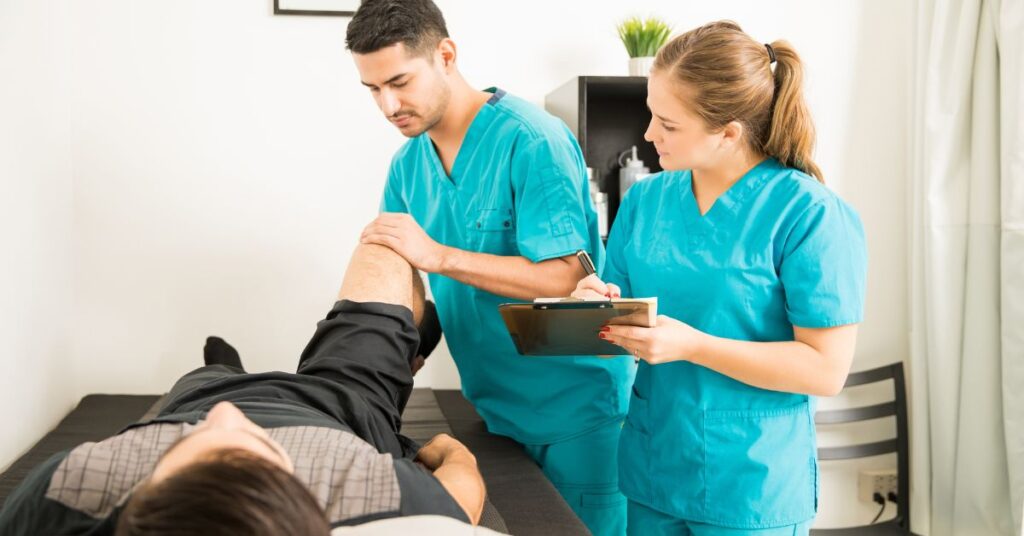
Physical therapy plays a key role in long-term recovery, especially for moderate to severe strains. A therapist can design a personalized program that includes stretching, strengthening, posture correction, and manual therapy techniques.
Rehabilitation addresses underlying risk factors such as muscle imbalances or poor ergonomics. By improving scapular stability and neck mechanics, physical therapy reduces the likelihood of reinjury and supports full functional recovery.
Posture and Ergonomic Adjustments
Poor posture is a major contributor to trapezius strain. Forward head positioning and rounded shoulders increase muscle load, leading to fatigue and tension. Ergonomic adjustments at work and home are essential components of pulled trapezius treatment.
Simple changes such as adjusting screen height, using a supportive chair, and taking regular movement breaks can significantly reduce strain on the neck and upper back. Proper sleeping posture and pillow selection also support healing.
Activity Modification and Return to Normal Function
Returning to activity too quickly can delay recovery. Gradual progression is recommended, beginning with light activities and advancing as pain decreases and strength improves. Sudden heavy lifting or high-intensity exercise should be avoided until the muscle has fully healed.
Listening to the body’s signals is critical. Mild discomfort during rehabilitation is common, but sharp or worsening pain indicates the need to reduce intensity or seek professional guidance.
Long-Term Prevention Strategies
Preventing future trapezius strains involves maintaining muscle flexibility, strength, and balanced movement patterns. Regular stretching of the neck and shoulders helps counteract daily postural stress.
Strength training that targets the upper back, shoulders, and core provides structural support for the trapezius muscle. Stress management techniques, such as relaxation exercises and mindful movement, also help reduce chronic muscle tension.
Important Treatment Summary
| Aspect | Key Points |
|---|---|
| Initial care | Rest, ice therapy, activity modification |
| Pain control | Short-term NSAIDs if appropriate |
| Recovery phase | Heat therapy and gentle stretching |
| Rehabilitation | Physical therapy and posture correction |
| Prevention | Ergonomics, strength training, stress management |
When to Seek Medical Attention
While most trapezius strains resolve with conservative care, medical evaluation is recommended if pain persists beyond two weeks, worsens despite treatment, or follows a significant injury. Persistent symptoms may indicate more complex musculoskeletal issues requiring further assessment.
Timely intervention improves outcomes and helps prevent chronic pain patterns that are more difficult to treat.
Conclusion
A pulled trapezius can be painful and disruptive, but with the right approach, recovery is achievable. Early care with rest, ice, and anti-inflammatory measures helps reduce pain and inflammation, while transitioning to heat, gentle stretching, and physical therapy restores mobility and strength. Paying attention to posture, ergonomics, and gradual return to activity is essential to prevent future strains. By combining proper treatment with preventive strategies, individuals can recover fully, regain normal function, and minimize the risk of recurring trapezius injuries.
Frequently Asked Questions
1. How long does recovery usually take?
Most mild to moderate strains improve within one to three weeks with appropriate care and gradual rehabilitation.
2. Can I continue exercising with a trapezius strain?
Low-impact activities may be continued if they do not worsen pain, but heavy lifting and overhead movements should be avoided initially.
3. Is massage helpful?
Massage can reduce muscle tension and improve circulation, especially during the recovery phase, when used alongside stretching and strengthening.
4. Should I use ice or heat?
Ice is recommended during the first 48–72 hours, followed by heat once swelling decreases.
5. Can poor posture cause repeated strains?
Yes. Chronic postural stress is a leading risk factor and should be corrected to prevent recurrence.