Neuromodulation: Unlocking the Power of Precision Brain and Nerve Therapy
Neuromodulation is a revolutionary medical technique designed to regulate nerve activity in targeted areas of the body. By using electrical, chemical, or magnetic stimuli, neuromodulation can adjust abnormal signals that cause pain, movement disorders, or neurological dysfunction. This precise intervention opens doors to treatments previously thought impossible, offering patients a new horizon of relief and recovery.
Unlike traditional treatments that often rely on systemic medications, this targets the source of the issue. Conditions like chronic pain, epilepsy, Parkinson’s disease, and depression can be addressed with tailored interventions. This precision reduces side effects and enhances overall quality of life, establishing neuromodulation as a cornerstone of modern medical innovation.
The Science Behind Neuromodulation
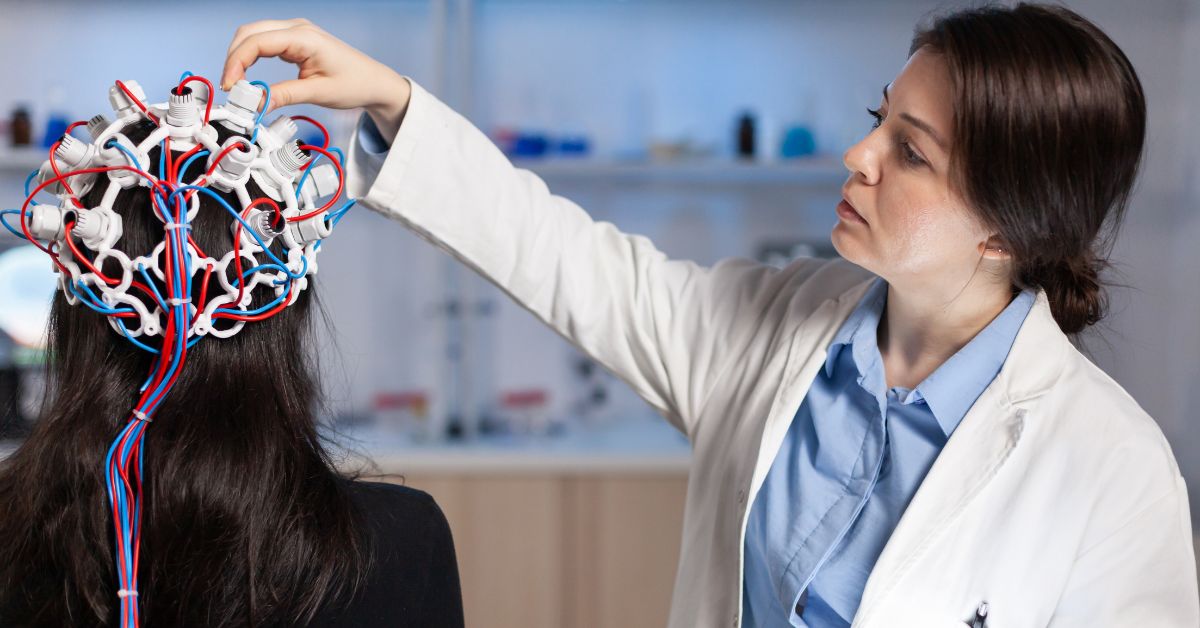
At its core, it involves the interaction between devices and the nervous system. Electrical impulses are delivered via implanted or external devices to stimulate or inhibit specific nerves. This stimulation can alter abnormal firing patterns, promoting natural physiological balance. Advanced imaging and mapping techniques ensure that the intervention is accurate, making neuromodulation both safe and effective.
Researchers are also exploring chemical neuromodulation, where targeted drug delivery modifies neural pathways without affecting the entire system. The combination of electrical and chemical methods has shown remarkable potential in treating complex neurological and psychiatric conditions. Neuromodulation is a perfect example of medicine meeting technology to create transformative healthcare solutions.
Applications of Neuromodulation in Medicine
The applications of this span a wide spectrum of medical fields. Pain management is one of the most prominent areas, where spinal cord stimulators or peripheral nerve stimulators reduce chronic pain without long-term reliance on opioids. Neuromodulation also plays a critical role in movement disorders such as Parkinson’s disease, helping patients regain motor control and improve daily function.
In addition, psychiatric disorders like depression and obsessive-compulsive disorder are benefiting from neuromodulation. Deep brain stimulation (DBS) and transcranial magnetic stimulation (TMS) offer new hope to patients unresponsive to conventional treatments. By precisely targeting neural circuits, it enhances therapeutic outcomes while minimizing unwanted side effects.
Types of Techniques
There are several cutting-edge techniques within the field of neuromodulation. Spinal cord stimulation involves implanting a device that sends electrical impulses to the spinal cord, effectively blocking pain signals before they reach the brain. Peripheral nerve stimulation focuses on smaller nerve branches, providing relief for localized pain or dysfunction.
Brain-focused techniques, including deep brain stimulation and vagus nerve stimulation, are increasingly used for neurological and psychiatric conditions. Non-invasive options like transcranial magnetic stimulation deliver controlled magnetic fields through the skull, offering an effective solution without surgery. Each method is selected based on the patient’s condition, demonstrating the adaptability and precision of it.
The Future
The future of neuromodulation is poised for extraordinary growth. Innovations in wearable devices, AI-driven programming, and biofeedback systems are making treatments more personalized and effective. Scientists are exploring ways to combine neuromodulation with regenerative medicine, creating therapies that not only manage symptoms but also support neural repair and restoration.
With continuous technological advancements, it has the potential to redefine treatment paradigms across neurology, psychiatry, and pain management. It represents a shift from generalized approaches to highly personalized, precise interventions that empower patients and improve long-term outcomes.
Everyday Life
Beyond clinical settings, it is influencing daily living for patients. Improved mobility, reduced pain, and enhanced cognitive function allow individuals to engage more fully in work, hobbies, and social interactions. This technology fosters independence and restores a sense of normalcy for those previously limited by chronic conditions.
Patient education and ongoing monitoring are key components of successful this therapy. By understanding how these devices work and adhering to recommended protocols, patients maximize their benefits. As awareness grows, neuromodulation is gradually becoming a mainstream solution for conditions once considered untreatable.
5 FAQs
1. Is neuromodulation safe?
Yes, when performed under medical supervision, neuromodulation is safe and well-tolerated, with a low risk of complications.
2. Can neuromodulation cure neurological disorders?
While it may not cure all conditions, neuromodulation significantly reduces symptoms and improves quality of life.
3. How long does neuromodulation therapy last?
The effects vary, with some devices providing long-term relief while others require adjustments over time.
4. Is neuromodulation painful?
Most procedures are minimally invasive or non-invasive, with only mild discomfort during implantation or treatment.
5. Who is eligible for neuromodulation therapy?
Candidates are typically patients who have not responded to conventional treatments and are evaluated by specialists to determine suitability.