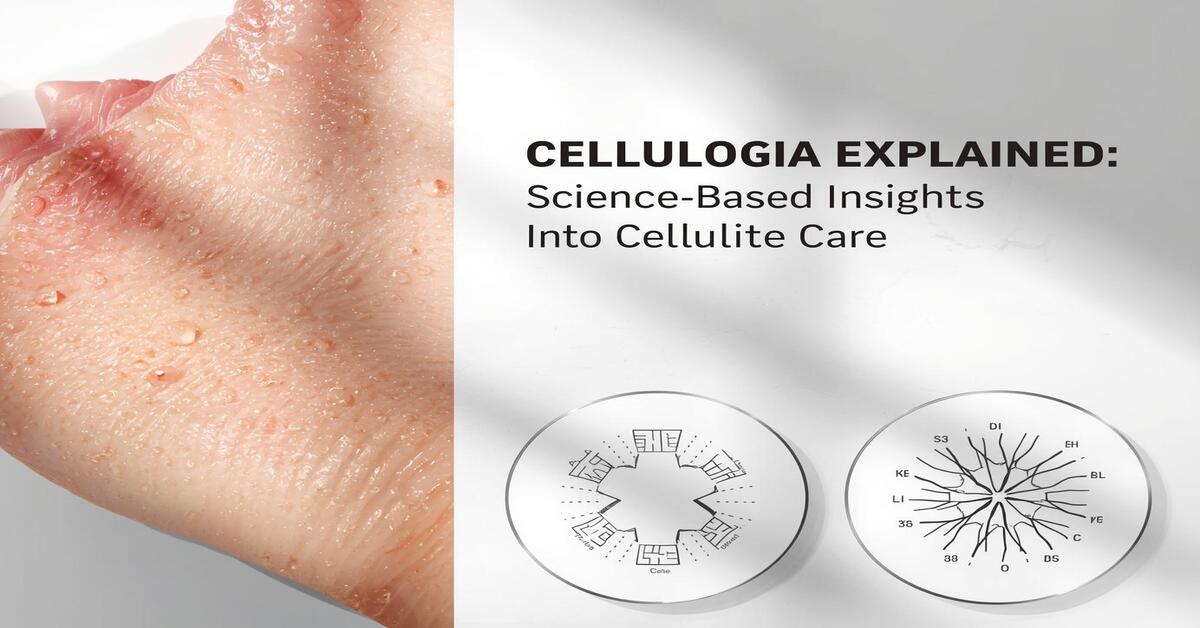
Cellulogia Explained: Science-Based Insights Into Cellulite Care
Cellulite is one of the most common skin concerns worldwide, yet it remains widely misunderstood. Many people associate it with weight or fitness alone, when in reality it is a complex interaction between skin structure, fat distribution, connective tissue, and circulation. Cellulogia represents a modern wellness framework that seeks to explain cellulite beyond surface appearance and toward deeper biological processes.
Rather than promising unrealistic cosmetic perfection, this approach emphasizes education, long-term skin health, and evidence-informed strategies. By understanding why cellulite forms and how different systems in the body influence it, individuals can make more informed decisions about care, treatment, and expectations.
What Is Cellulite and Why It Develops
Cellulite forms when subcutaneous fat pushes upward against the skin while fibrous connective bands pull downward, creating a dimpled or uneven surface. This structure is influenced by genetics, hormonal activity, connective tissue strength, and circulation. Although it most commonly appears on the thighs, hips, buttocks, and abdomen, it can develop in various areas.
The condition affects a large majority of women after puberty due to differences in connective tissue arrangement and estrogen activity. Men can also develop cellulite, though it occurs less frequently. Cellulogia focuses on understanding these anatomical differences instead of treating cellulite as a flaw or abnormality.
Biological and Lifestyle Factors That Influence Cellulite
Several biological mechanisms contribute to cellulite development. Reduced blood flow and lymphatic drainage can lead to fluid retention and weakened tissue metabolism, which may exaggerate skin texture. Aging also plays a role as collagen production declines, causing skin to thin and lose elasticity over time.
Lifestyle factors such as prolonged sitting, limited physical activity, dehydration, and nutrient-poor diets can further affect tissue health. While these factors do not directly cause cellulite, they may worsen its appearance. Within Cellulogia, these influences are addressed collectively rather than in isolation.
The Cellulogia Perspective on Skin Health
At its core, Cellulogia promotes a holistic understanding of skin as a living, responsive organ. Skin health is not separated from circulation, muscle tone, hormonal balance, or connective tissue integrity. This perspective encourages consistency, patience, and realistic expectations.
Rather than focusing solely on surface treatments, this framework prioritizes internal support systems such as collagen synthesis, cellular repair, and vascular health. Over time, improvements in these areas may contribute to smoother skin texture and improved resilience.
Professional Treatment Options and Technologies
Modern aesthetic medicine offers several professional interventions aimed at improving the appearance of cellulite. Laser-based treatments work by stimulating collagen remodeling and loosening fibrous bands beneath the skin. Radiofrequency technologies apply controlled heat to increase firmness and elasticity.
Acoustic wave therapy uses sound waves to enhance circulation and connective tissue stimulation, while subcision techniques mechanically release tight bands responsible for dimpling. Cellulogia recognizes these treatments as tools rather than solutions, emphasizing that outcomes depend on individual biology and maintenance.
Topical Products and External Support
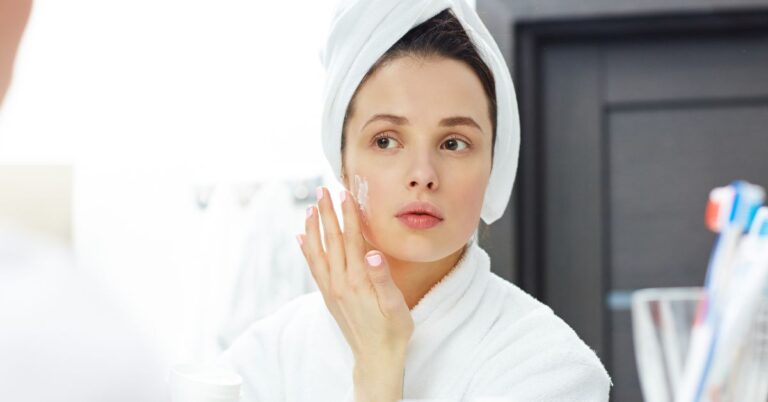
Topical treatments can play a supportive role when used consistently. Products containing caffeine may temporarily reduce the appearance of dimpling by dehydrating fat cells, while retinol-based formulations can improve skin thickness over extended periods. Results are gradual and require ongoing application.
Massage techniques, including manual lymphatic drainage, may assist fluid movement and circulation. While these methods do not eliminate cellulite, they may complement broader care strategies. Within Cellulogia, topical and manual methods are viewed as enhancements rather than standalone answers.
Nutrition, Movement, and Internal Balance
Diet and hydration significantly influence skin structure and tissue health. Adequate protein intake supports collagen production, while antioxidants help protect cells from oxidative stress. Omega fatty acids contribute to membrane integrity, and sufficient water intake supports elasticity and detoxification pathways.
Regular physical activity improves muscle tone and circulation, which can reduce the visual contrast between fat and connective tissue. Cellulogia encourages sustainable movement patterns rather than extreme exercise routines, emphasizing long-term consistency over short-term intensity.
Managing Expectations and Long-Term Results
Outcomes from cellulite-focused care vary widely among individuals. Genetics, skin thickness, hormonal status, and adherence to maintenance routines all affect results. Most professional treatments require multiple sessions, and improvements are typically gradual rather than immediate.
Maintenance is often necessary, as cellulite can reappear when supportive practices are discontinued. Cellulogia frames success as improvement and management rather than complete elimination, reinforcing a realistic and informed mindset.
Future Directions and Evolving Research
Ongoing research continues to explore connective tissue biology, microcirculation, and collagen signaling pathways. As scientific understanding evolves, newer technologies and treatment protocols may emerge that further refine cellulite care approaches.
The philosophy behind Cellulogia aligns closely with this evolving research landscape, emphasizing adaptability and evidence-based decision-making. Future advancements are likely to focus on combination therapies and personalized treatment plans.
Conclusion
Cellulite is a natural, widespread condition influenced by anatomy, biology, and lifestyle factors. Addressing it effectively requires understanding rather than frustration. Cellulogia offers a balanced framework that integrates science, wellness, and realistic care strategies.
By focusing on long-term skin health, informed treatment choices, and sustainable habits, individuals can approach cellulite with clarity and confidence. Education, consistency, and professional guidance remain the most reliable tools for achieving meaningful and lasting improvement.