How Preventive Screening Reduces Skin Cancer Mortality
Early detection is the most effective strategy to combat skin cancer. Routine preventive screening helps identify suspicious lesions before they progress, allowing timely intervention and reducing fatalities. With rising skin cancer rates globally, proactive measures are essential for patient safety.
Preventive screenings not only detect potential cancers early but also provide patients with valuable education on skin health, sun safety, and self-monitoring. These programs empower individuals to take control of their skin wellness and minimize long-term risks.
The Importance of Routine Skin Checks
Regular skin examinations are crucial for spotting early changes that may indicate cancerous growth. Preventive screening is particularly important for high-risk groups, and leading clinics. Key reasons for routine skin checks:
- Identify early signs of skin cancer before they spread
- Track changes in moles and other skin lesions
- Reduce the need for aggressive treatments
- Educate patients on self-examination techniques
Methods Used in Preventive Screening
Preventive screening involves a combination of visual inspections, imaging tools, and risk assessment. Dermatologists assess the skin thoroughly to detect abnormal growths, pigmentation changes, or irregular lesion patterns.
1. Visual and Dermoscopic Examinations
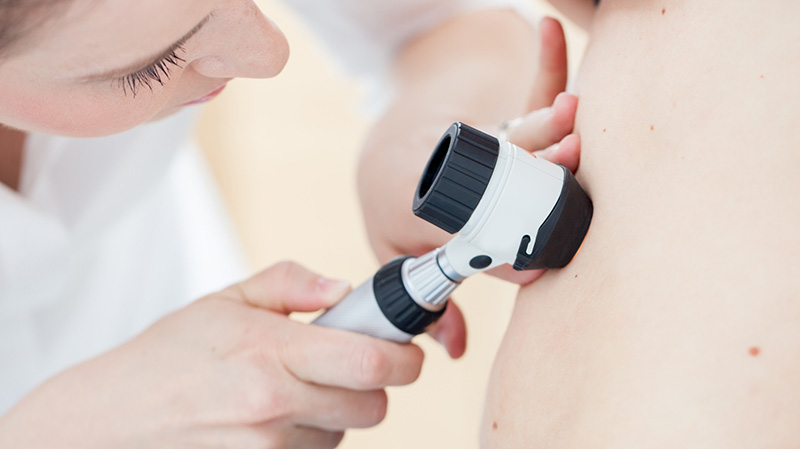
Dermoscopes magnify the skin surface, revealing patterns invisible to the naked eye. This allows dermatologists to differentiate between benign and malignant lesions accurately.
Even subtle changes can be critical, making dermoscopic evaluation an essential part of modern screening.
2. High-Risk Patient Monitoring
Individuals with atypical moles, fair skin, or a strong family history of skin cancer benefit from more frequent and thorough check-ups to catch early warning signs.
Tailored screening schedules help catch lesions early and provide actionable recommendations before cancer develops.
3. Technology-Enhanced Screening
Many modern clinics now combine high-resolution imaging software with AI analysis to evaluate suspicious skin lesions more precisely and efficiently.
Combining professional expertise with advanced technology ensures more reliable detection, especially for early melanomas.
4. Risk Assessment and Patient History
A thorough evaluation of personal and family history, combined with lifestyle factors, helps identify individuals at higher risk of skin cancer.
This allows dermatologists to prioritize screening frequency and tailor monitoring plans for those most susceptible to skin malignancies.
5. Total Body Photography
Advanced total body photography captures high-resolution images of a patient’s skin to track changes in moles and lesions over time.
By comparing images across appointments, clinicians can detect subtle differences early, enhancing accuracy in diagnosis and preventive care.
6. Lesion Mapping and Documentation
Documenting the exact location, size, and appearance of lesions creates a detailed map for ongoing monitoring and follow-up.
This systematic approach ensures no areas are overlooked, supporting early intervention if changes suggest malignancy.
7. Mobile and On-Site Screening Solutions
Some clinics now offer mobile or on-site skin screenings for workplaces and community events to increase accessibility.
These programs help detect skin cancers in people who may not seek routine care, improving early detection and reducing mortality rates.
Benefits of Preventive Screening
Preventive screening offers benefits beyond detection. It helps reduce patient anxiety, avoids unnecessary procedures, and supports ongoing skin health awareness.
1. Reducing Complications Through Early Action
Detecting skin cancer at an early stage allows for less invasive treatments, minimizing risks and improving overall patient safety.
Patients benefit from smaller, targeted procedures, shorter recovery periods, and better long-term outcomes with early intervention.
2. Educating Patients on Skin Health
Screenings provide a platform to teach patients about sun safety, proper skin care, and warning signs to watch for.
Awareness encourages proactive behaviors, such as self-exams and regular dermatology visits, lowering overall risk.
3. Supporting Research and Innovation
Data collected during preventive skin cancer screenings provides valuable insights into prevalence, lesion progression, and treatment outcomes.
Researchers use this information to refine diagnostic tools, develop better prevention strategies, and enhance overall patient care effectiveness.
4. On-Site Screening Programs
Many organizations now offer workplace or community-based on-site skin cancer screening services to reach larger populations efficiently.
These programs make preventive screening accessible, increasing early detection rates among individuals who might not otherwise seek care.
5. Enhancing Patient Confidence
Clear imaging and thorough professional evaluation give patients reassurance, reducing anxiety and uncertainty about possible skin conditions.
Knowing their skin is being monitored effectively encourages continued participation in preventive care and regular screenings for early detection.
Practical Tips for Maximizing Screening Benefits
Patients can take active steps to make the most of preventive screenings by staying consistent with check-ups, monitoring skin changes carefully, and following professional guidance to maintain long-term skin health.
- Schedule routine annual check-ups with a dermatologist
- Document changes in moles or other skin lesions
- Protect skin from excessive sun exposure
- Participate in workplace or community screening programs
- Follow personalized screening intervals recommended by healthcare providers
Conclusion
Preventive screening is a vital strategy for reducing skin cancer mortality. By combining routine check-ups, high-risk monitoring, advanced technology, and public awareness, these programs save lives and improve outcomes. Accessible, proactive, and educational, preventive screening ensures that skin cancers are identified early, treatments are less invasive, and patients remain empowered to manage their skin health.
Also Read: mmol/L to mg/dL: Understanding Blood Sugar Conversion