Keloid Prevention and Care: Tips for Healthy Skin After Injuries or Cosmetic Procedures
Keloids are raised scars that can develop after skin injuries or cosmetic procedures, causing discomfort and self-consciousness. While some people are more prone due to genetics or skin type, proactive care can significantly reduce the risk of keloid formation. Understanding prevention strategies and available treatments is essential for maintaining healthy, smooth skin.
Why Keloids Form
Keloids occur when the body produces excess collagen during the healing process, leading to thickened, raised scar tissue. For those seeking professional solutions, knowing the approximate keloid removal cost in London can help plan effective treatment strategies.
- Overproduction of collagen during wound healing
- Skin trauma from cuts, burns, piercings, or surgery
- Acne and inflammatory skin conditions
- Genetic predisposition to abnormal scarring
- Areas of tension or friction on the skin
Common Triggers and Risk Factors
Certain activities and conditions increase the likelihood of keloid formation. Awareness of these triggers is crucial for prevention and early intervention.
Cosmetic Procedures and Piercings
Procedures like piercings, tattoos, or cosmetic surgery can trigger keloid formation, particularly in genetically susceptible individuals. Proper aftercare and monitoring can reduce the risk. This helps prevent excessive scar development.
Acne and Skin Inflammation
Severe acne can damage deeper layers of skin, increasing the likelihood of raised scars. Persistent inflammation can stimulate overproduction of collagen. Early treatment helps minimize visible scar tissue.
Cuts, Burns, and Minor Injuries
Even minor injuries can lead to keloids in susceptible individuals. Proper wound care and avoiding infection reduce the risk. Maintaining clean, protected skin encourages healthy healing.
Genetics and Skin Type
Some individuals are more prone to keloid formation due to inherited traits. Darker skin tones and family history are known risk factors. Understanding genetic risk supports personalized prevention strategies.
Areas of Tension or Friction
Skin that is frequently stretched or irritated, such as the chest, shoulders, or earlobes, is more likely to form keloids. Reducing friction and stress on healing skin minimizes overgrowth of scar tissue.
Delayed Healing and Infection
Prolonged healing times or wound infections can increase collagen production and keloid risk. Timely care ensures wounds heal efficiently and reduces abnormal scar formation.
Preventative Measures for Healthy Skin
Taking proactive steps after injuries or procedures can minimize the risk of keloids and support smooth skin recovery.
Keep Wounds Clean and Protected
Regular cleaning and sterile dressings prevent infection and support healthy tissue repair. This reduces excessive scar formation.
Avoid Unnecessary Trauma
Limiting additional skin trauma, such as picking at scabs or re-injury, allows optimal healing. Protecting wounds prevents triggering keloid growth.
Use Silicone Gel or Sheets
Silicone-based products help regulate collagen production and flatten emerging scars. They are widely recommended for both prevention and treatment. Consistent use encourages even scar healing.
Monitor Skin Regularly
Observing healing progress enables early intervention if abnormal scarring begins. Early treatment improves outcomes and limits long-term keloid development.
Manage Inflammation
Using appropriate topical treatments or anti-inflammatory care can support proper healing. Reduced inflammation prevents overactive collagen production.
Seek Professional Advice Early
Consulting a dermatologist or clinic for advice on high-risk wounds can help manage potential keloids before they become pronounced. Awareness of available treatments ensures timely and effective care.
When Treatment Is Needed
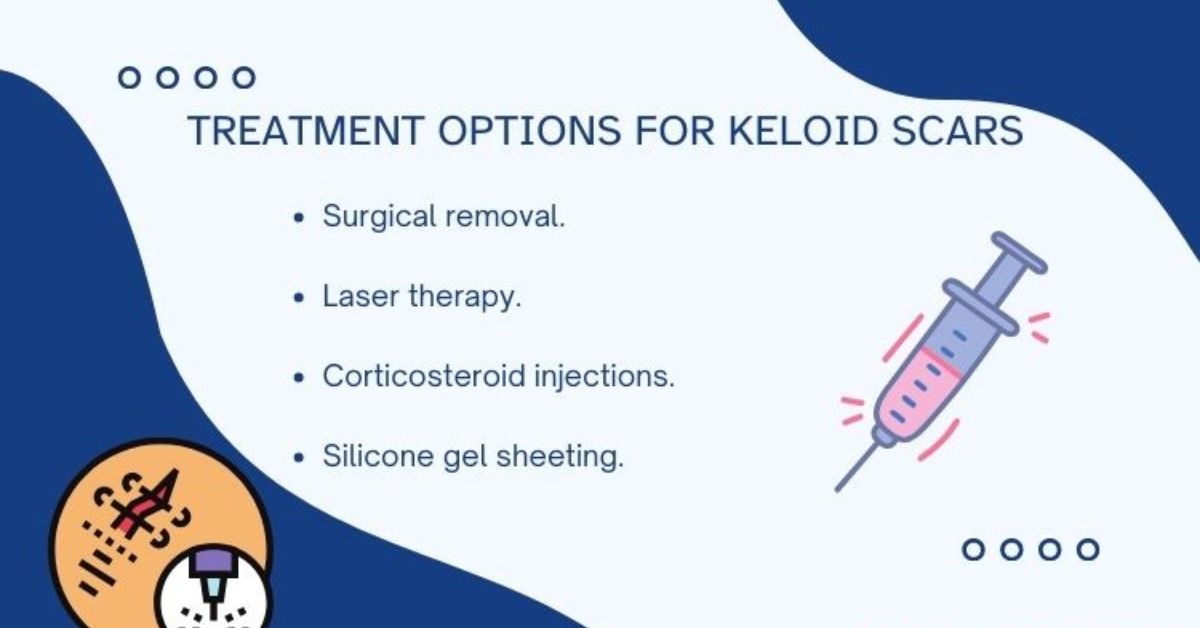
If keloids develop despite preventive measures, several professional treatments are available to reduce size and appearance.
- Corticosteroid injections to reduce inflammation
- Laser therapy to improve texture and color
- Cryotherapy to shrink smaller keloids
- Surgical excision with careful post-operative care
- Silicone-based products to flatten and soften scars
For more detailed guidance on understanding keloid formation and prevention, authoritative dermatology sources such as the Mayo Clinic provide evidence-based recommendations on scar care and treatment.
Conclusion
Keloid formation can be distressing, but proactive prevention and proper care significantly reduce the risk. Maintaining clean, protected wounds, minimizing trauma, and monitoring healing are essential steps. When professional treatment is necessary, understanding options and costs, including keloid removal cost in London, helps patients make informed decisions. Combining prevention strategies with expert care ensures healthy, smooth skin and minimizes the impact of keloids on confidence and well-being.
Also Read: Íbufen (Ibuprofen): The Powerful Relief Solution Redefining Pain Management